miércoles, 20 de septiembre de 2017
Flipped classroom. Toma de contacto
He comenzado este curso muy esperanzada y con muchas ganas de hacer cosas diferentes, Había escuchado hablar de la flipped classroom pero no sabía exactamente en qué consistía. Lo cierto es que es un cambio metodólogco y un modelo pedagógico que realmente da la vuelta a la clase. El centro ya no es el pofesorado sino el alumnado que se hace responsable de su propio conocimiento y trabajo. Me parece muy interesante a pesar de que vislumbre ciertos problemas en mi centro en particular por varios motivos; acceso a Internet fuera del horario escolar y falta de trabajo en dicho horario, No obstante, pienso que se pueden solventar hablando con algunos organismos públicos para que faciliten ese acceso al alumnado y motivándolo con tareas interesantes y significativas. Espero pronto poner en práctica todos estos recursos. Las herramentas colaborativas que estamos usando (padlet, blog, souncloud.....) son muy motivadoras y relativamente fáciles de usar en el aula por parte de los alumnos.

Flipped Classroom

El aula invertida (en inglés: flipped classroom ) es una modalidad de blended learning (aprendizaje semipresencial o mixto).
Es un modelo pedagógico que plantea la necesidad de transferir parte del proceso de enseñanza y aprendizaje fuera del aula con el fin de utilizar el tiempo de clase para el desarrollo de procesos cognitivos de mayor complejidad, que favorezcan el aprendizaje significativo. En mayor detalle la Red de Aprendizaje Flipped (FLN) lo define como "Un enfoque pedagógico en el que la instrucción directa se desplaza de la dimensión del aprendizaje grupal hacia la dimensión aprendizaje individual, transformándose el espacio grupal restante en un ambiente de aprendizaje dinámico e interactivo en el que el facilitador guía a los estudiantes en la aplicación de los conceptos y involucramiento creativo con el contenido00 del curso".1
La implementación de este modelo se ha visto favorecida por las potencialidades que la Web 2.0 ofrece para la búsqueda, creación, publicación y sistematización de los recursos a través de internet, abriendo así las posibilidades para el proceso de enseñanza-aprendizaje y alterando los roles tradicionales que docentes y estudiantes posee.
Para conocer un poco más puedes ver el siguiente enlace.
(Fuente: Wikipedia)
Es un modelo pedagógico que plantea la necesidad de transferir parte del proceso de enseñanza y aprendizaje fuera del aula con el fin de utilizar el tiempo de clase para el desarrollo de procesos cognitivos de mayor complejidad, que favorezcan el aprendizaje significativo. En mayor detalle la Red de Aprendizaje Flipped (FLN) lo define como "Un enfoque pedagógico en el que la instrucción directa se desplaza de la dimensión del aprendizaje grupal hacia la dimensión aprendizaje individual, transformándose el espacio grupal restante en un ambiente de aprendizaje dinámico e interactivo en el que el facilitador guía a los estudiantes en la aplicación de los conceptos y involucramiento creativo con el contenido00 del curso".1
La implementación de este modelo se ha visto favorecida por las potencialidades que la Web 2.0 ofrece para la búsqueda, creación, publicación y sistematización de los recursos a través de internet, abriendo así las posibilidades para el proceso de enseñanza-aprendizaje y alterando los roles tradicionales que docentes y estudiantes posee.
Para conocer un poco más puedes ver el siguiente enlace.
(Fuente: Wikipedia)
martes, 19 de septiembre de 2017
viernes, 7 de abril de 2017
Easter
Hi students!

Happy Easter!
We are going to talk about Easter traditions in English speaking countries.
You will see several videos and will ask a few questions about the videos. The first two videos are about Easter traditions in the United States and the fourth one about the tradition in the UK.
1. First watch this video
It is about the Easter Holidays in general
2. In the next video you will see a crowded scavenger hunt in the White House with the former president of the United States and his wife.
3. Here is the third video about the same tradition in the UK. Watch it and answer the following questions:
- What presents did Sarah and his father buy?
- What are Sarah and her brother doing?
- What is the name of the cakes that their mum bring?
- What are Sarah´s favourite colours?
- What do they do on Easter Sunday? Name two things
- What do people do on Easter Monday?

Happy Easter!
We are going to talk about Easter traditions in English speaking countries.
You will see several videos and will ask a few questions about the videos. The first two videos are about Easter traditions in the United States and the fourth one about the tradition in the UK.
1. First watch this video
It is about the Easter Holidays in general
2. In the next video you will see a crowded scavenger hunt in the White House with the former president of the United States and his wife.
3. Here is the third video about the same tradition in the UK. Watch it and answer the following questions:
- What presents did Sarah and his father buy?
- What are Sarah and her brother doing?
- What is the name of the cakes that their mum bring?
- What are Sarah´s favourite colours?
- What do they do on Easter Sunday? Name two things
- What do people do on Easter Monday?
jueves, 3 de diciembre de 2015
Christmas is round the corner!
Time flies and the first term is almost over. Christmas is round the corner and we are going to start celebrating it at school. Shall we start?

Activity 1. Watch this video and answer the questions your teacher will ask you in class.
Activity 2. Watch this video and learn some christmas vocabulary
Activity 3. Now play this Christmas game.
Activity 4. Watch this commercial by John Lewis and write what it means to you
Activity 5. Write a Christmas acrostic poem. An acrostic poem is a type of poetry where the first, last or other letters in a line spell out a particular word or phrase. The most common and simple form of an acrostic poem is where the first letters of each line spell out the word or phrase. Here are some examples:

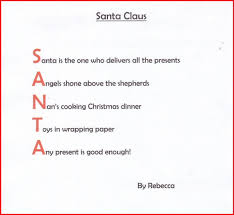

Now it´s your turn. Choose one christmas word and write your poem. You can even use a templeate from the Internet or design your own. Be creative.
Activity 1. Watch this video and answer the questions your teacher will ask you in class.
Activity 2. Watch this video and learn some christmas vocabulary
Activity 3. Now play this Christmas game.
Activity 4. Watch this commercial by John Lewis and write what it means to you
Activity 5. Write a Christmas acrostic poem. An acrostic poem is a type of poetry where the first, last or other letters in a line spell out a particular word or phrase. The most common and simple form of an acrostic poem is where the first letters of each line spell out the word or phrase. Here are some examples:

Now it´s your turn. Choose one christmas word and write your poem. You can even use a templeate from the Internet or design your own. Be creative.
jueves, 5 de noviembre de 2015
Guy Fawkes

5th November is an important festivity in the Uk because people celebrate the failed attempt to blow up the Houses of Parliament on the part of Guy Fawkes and other members in 1605. It is also called the Bonfire Night because bonfires are lit to burn the "Guy" - a kind of dummy that represents Fawkes.
Activity 1. Watch this video about the story of Guy Fawkes.
Activity 2. Watch this video about the celebration of the Bonfire Night in Winchester
Activity 3. If you have learnt the story of Guy Fawkes, do you dare to play this game?
Activity 4. Learn this poem by heart:

domingo, 1 de noviembre de 2015
Food glorious food

Activity 1. Listen to the pronounciation of different types of food here and here
Activity 2. Watch this video and answer these questions on your notebook:
- What do British people eat and drink for breakfast?
- What do they have for lunch?
- How long does lunch take?
- What is the most important meal of the day?
- What do they usually have for dinner?
- What are the most popular restaurant serving international food?
- What do teenagers like to eat?
- What do teenagers hate?
- What doesn’t a vegetarian eat?
- What is the traditional British food they eat outside? How much is it?
Activity 3. Watch this video and answer these questions
1. What time do they have breakfast?
2- What time do they have lunch?
3. What do they have for lunch?
4, What do they sometimes have for dinner on Friday evenings?
5. Write 4 things on the shopping list
6. What is their lunch on Sunday?
Activity 4. Play this game
Activity 5. Watch this video and answer the questions here
Suscribirse a:
Entradas (Atom)